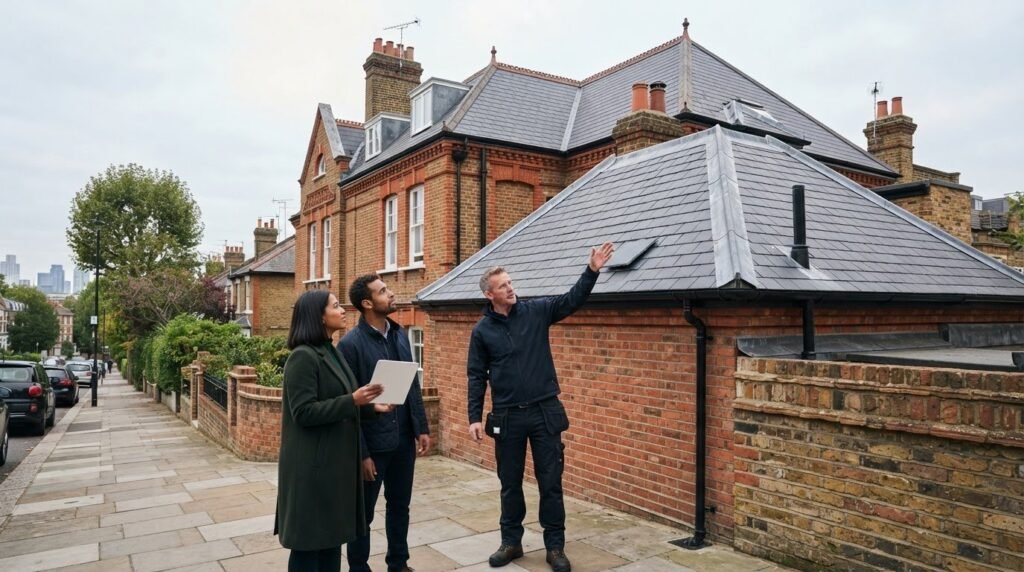
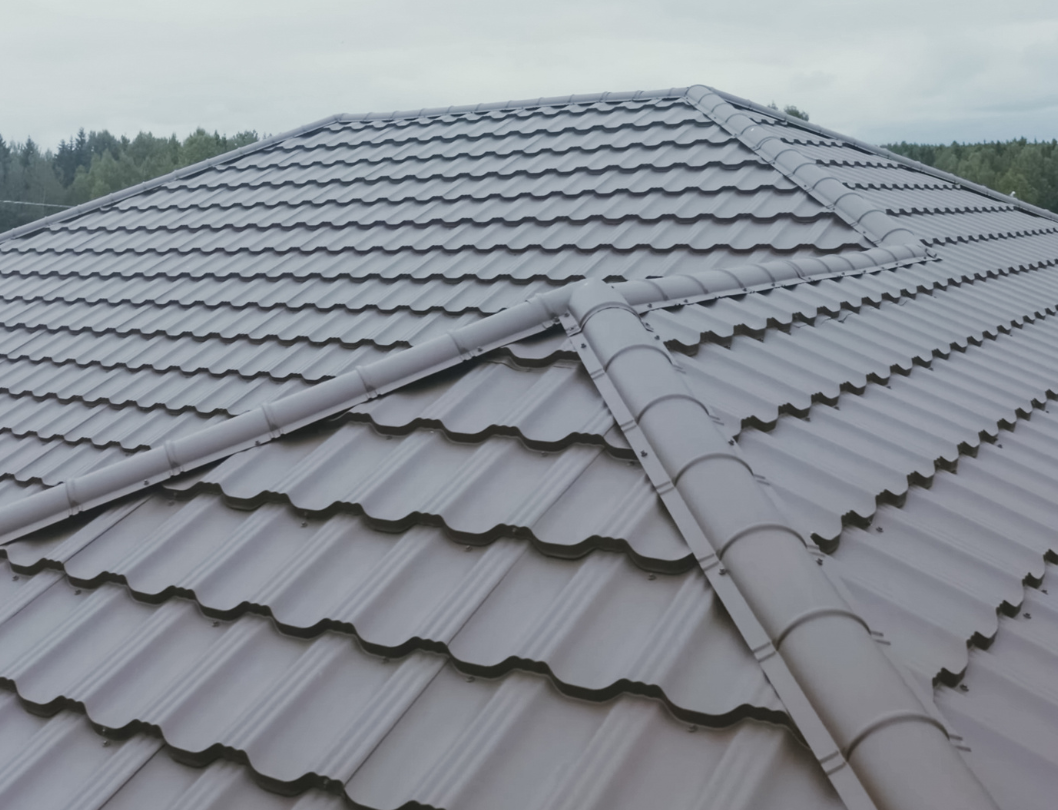
Could a pitched roof that looks sound from the pavement still need repairs after you buy? Before committing to a London home, look beyond appearances. A property survey may flag slipped tiles, worn mortar or signs of water ingress without explaining how urgent the issue is. Understanding what those findings mean can make decisions about pitched roof repair London less like guesswork.
Some signs point to routine wear, whilst others may need prompt attention to protect the home from further damage. This guide explains what to look for, how to interpret common survey findings and what practical steps to take before purchase.
A roofer’s site visit gives you a closer, roof-specific view of possible repair needs, but it doesn’t replace an independent whole-property survey. Atlas Roofing Solutions Ltd is a family-owned London roofing specialist with over 20 years’ experience. We offer free site visits and transparent, no-obligation quotes, helping you understand the work involved before making a decision.
Key Takeaways
- Check roof coverings, ridge lines, valleys, flashings and edges for visible damage. A defect does not automatically mean major work is needed.
- Use the survey’s details and photographs to distinguish possible active leaks or loose coverings from issues that need closer investigation.
- For pitched roof repair London, note the property address, roof type if known and the survey’s specific observations before arranging roof-specific input.
- A roofer’s site visit can clarify repair needs, whilst your independent whole-property survey remains a separate part of the buying process.
- Turn roof findings into practical next steps and discuss a transparent, no-obligation quote with Atlas Roofing Solutions Ltd.
Pitched roof repair in London: what should a home buyer check?
A roof can look sound from the pavement and still need a closer look. Tiles may appear out of place or the roofline may seem uneven, but a ground-level view can’t establish the cause or show what is happening beneath the covering. Before deciding about a property, gather evidence about the roof’s condition rather than relying on appearances alone.
A roof-focused assessment considers visible coverings and details, then identifies signs that may need further investigation or repair. It has a narrower purpose than a whole-property survey: it focuses on the roof rather than assessing the home overall. Roof shape and layout affect which areas need attention. The Pitched roof overview explains common forms and factors that influence roof shape.
Arrange a roof-specific assessment if a survey flags a concern, visible damage raises questions, or you need clearer information about possible repairs before deciding how to proceed with a purchase.
What can a pitched-roof check tell a buyer?
Visible defects can show where a closer inspection may be useful. A cracked tile, slipped slate or sign of a leak indoors is worth recording and discussing, but does not prove the full extent or cause of a problem. Location and surrounding condition matter. A single defect may need a focused repair, whilst several concerns in the same area may warrant a more detailed assessment.
Ground-level photographs are useful records, but they can’t confirm every roof issue. They may show a missing tile or staining near a ceiling without revealing the condition of concealed materials or the source of moisture. Don’t climb onto the roof to investigate. Instead, note what you can see, where you saw it and what the survey says.
A roof check turns uncertainty into useful questions. Its findings can help you identify points that need further investigation, request a quote for specified work and weigh the information as part of your purchase decision. It cannot guarantee that every hidden issue will be found.
How does a roofer’s visit differ from a home survey?
A RICS surveyor’s report forms part of a broader review of a property’s condition. It may record roof observations and recommend further investigation, but it isn’t the same as a roof-focused assessment. Read the report’s wording carefully: does it describe a visible defect, a possible concern or a recommendation for specialist input?
A roofer focuses on the roof’s condition and potential repair requirements. This can help clarify what a roof-related finding means in practical terms. Use both sources for their intended purpose: the survey for the wider property picture, and a roofer’s visit for focused roofing input. Neither replaces the other. For buyers considering pitched roof repair London, that distinction helps keep the next step clear without treating an initial observation as proof of a problem across the whole roof.
What a London pitched-roof assessment should examine
A useful assessment looks beyond the most obvious mark on the roof. It considers how the coverings sit together and checks junctions where water needs to be directed away from the building. Missing, slipped or cracked tiles and slates are worth recording, but they don’t automatically show how extensive a repair might be. Their position, the condition of nearby coverings and any signs of water ingress all matter.
Tiles or slates, ridge lines, valleys, flashings, chimneys and roof edges are key areas to assess. A visual check alone cannot establish the condition of concealed roof materials.
Tiles, slates and ridge lines
Look for coverings that appear displaced, cracked, missing or noticeably different from those around them. These signs may point to damage or an area that needs closer assessment, but a photograph cannot establish the cause or confirm what lies beneath. Check the surrounding coverings as well as the affected spot. Ridge lines, where the roof slopes meet at the top, also deserve attention. Note visible gaps, unevenness or damaged ridge coverings for follow-up rather than assuming what has caused them.
Valleys, where two roof slopes meet, are another important area to include in a visual review. Note visible debris or damage and whether coverings appear irregular around the junction. A single observation can have several explanations. A roof-specific assessment can help establish whether it calls for repair, further investigation or no immediate action.
Flashings, chimneys and roof edges
Flashing forms a weather-resistant junction where the roof meets features such as a chimney or adjoining surface. If it looks loose, damaged or separated, water may be able to enter at that point, so it merits closer assessment. Note visible damage around the chimney stack and where it meets the roof. Related concerns may involve chimney repair and maintenance.
Include roof edges and roofline drainage in the same review. Look for visibly damaged or poorly aligned edge details, and note whether gutters appear blocked, sagging or overflowing. These observations don’t confirm the source of a leak, but they can help focus further enquiries. Record the location, what you can see and any related signs indoors, such as staining near the edge of a ceiling.
- Coverings: Note missing, cracked, slipped or mismatched tiles and slates.
- Junctions: Record visible concerns at ridges, valleys, flashings and chimney connections.
- Edges: Include roofline condition and visible guttering concerns.
If repair or re-covering work is being considered, the UK Building Regulations for Roofs guidance can help you understand what requirements may apply to the proposed work. Requirements depend on the project, so don’t draw conclusions about approval from a visible defect alone.
Clear observations make a roof discussion more useful. If the findings raise questions about pitched roof repair London, Atlas Roofing Solutions Ltd can provide a roof-specific site visit and transparent, no-obligation quote. This gives you focused information about roofing needs, separate from an independent whole-property survey.
How to interpret pitched-roof repair findings before buying
A survey finding is a starting point, not a repair specification. Read the wording carefully: does it describe something observed, suggest a possible cause or recommend further investigation? Active water ingress or a visibly loose covering calls for clear follow-up, but neither observation alone tells you the full extent of the work. The right response depends on the roof’s condition and a site-specific assessment.
Use the table to turn report wording into practical questions. It doesn’t diagnose the roof or set a repair deadline.
| Observation |
Why it matters |
Sensible buyer follow-up |
| Active water ingress or fresh internal dampness |
Water may be entering the property, but the visible mark may not show where it is getting in. |
Ask which area is affected and arrange roof-specific input to establish the next step. |
| Visibly displaced or loose roof coverings |
The covering may be damaged or out of position. The extent and surrounding condition need context. |
Request an assessment of the affected section and a clear description of any recommended repair. |
| Cracked or missing tile or slate |
This is a visible defect, but it doesn’t establish whether nearby coverings or concealed materials are affected. |
Note the location and ask whether further inspection or a local repair is recommended. |
| Staining or a survey recommendation for further investigation |
The observation may have more than one explanation and may not confirm an active roof leak. |
Share the exact report wording and ask what further check would clarify the concern. |
Keep the evidence in view. Where possible, make sure the report, photographs and roofer’s observations relate to the same area. If recommendations differ, ask about the reasoning and scope behind each one rather than assuming the most extensive option is necessary. Repair scope depends on what an inspection finds at the property. A visible defect does not automatically mean the whole roof needs replacing.
Which findings may need prompt attention?
Active water ingress, coverings that appear loose or displaced, and damage around roof junctions deserve prompt clarification because they may affect the roof’s weather protection. That doesn’t establish a diagnosis or dictate a particular repair. Ask which area is affected, what evidence supports the finding and what next step is recommended. Don’t infer a repair deadline, remaining lifespan or need for full replacement from a photograph alone.
When might a repair quote or second assessment help?
A roof-specific visit can be useful when a survey raises a roofing concern or leaves the recommended work unclear. Ask for the proposed work to be described plainly, including the area involved and the issue it is intended to address. If replacement is genuinely being considered, explore professional new roof installation in London as a separate option, not an automatic response to an isolated defect.
For pitched roof repair London enquiries, Atlas Roofing Solutions offers free site visits and transparent, no-obligation quotes. A roof-specific discussion can help you understand the repair recommendation before making a purchase decision, whilst your independent property survey remains a separate source of advice.
A practical London home-buyer checklist for pitched roofs
Some preparation can make a roof visit more focused and help you get useful answers before deciding to buy. Keep the survey’s exact wording to hand, note what you’ve observed and separate questions about the overall property from those about roofing work.
- Review the survey. Find every reference to the roof, leaks, coverings, chimneys, gutters or recommended further investigation. Keep the relevant pages together.
- List the concerns. Note each reported issue and its location, if stated. Separate confirmed observations from questions you still need answered.
- Gather photographs. Organise images supplied by the surveyor or seller, and label them with the area they show. Don’t climb onto the roof or enter unsafe areas to take your own pictures.
- Arrange roof input. Share the relevant notes and images before a roof-specific visit, and mention access restrictions or timing considerations for the property.
Record the property address, the roof type if known and the survey observations that prompted your enquiry. If the roof type isn’t clear, say so rather than guessing. This gives the discussion a clear focus and helps keep attention on the concerns you need to understand.
What to prepare before arranging a roof visit
Gather relevant survey extracts and photographs supplied by the surveyor or seller. Make a short list of reported leaks, visible damage and areas marked for further investigation. Include practical details about access, such as any restrictions for reaching the property, and note timing considerations that could affect the visit. Clear information helps the roofer focus on the questions that matter to your purchase.
Questions to ask about recommended repairs
Keep your questions specific. Ask which roof area needs attention, what evidence supports the recommendation and what work is proposed. If roofline work may be involved, ask whether guttering, fascias or soffits are included in the scope or are separate concerns. For broader upkeep once you own the property, seasonal roof maintenance advice for London homes can help you plan routine checks.
- For the surveyor: Which observations are confirmed, and which need further investigation? Does the report identify the affected area?
- For the roofer: What repair is recommended, which roof section does it cover, and are related roofline works included?
Keep the answers with the survey notes so you can compare the recommendation with the original finding. A clear description of the proposed work is more useful than a broad label such as “roof repairs”, especially when you’re weighing up what to do before completion.
If the checklist points to a roofing concern, arrange a free pitched-roof site visit and request a transparent, no-obligation quote from Atlas Roofing Solutions. Our family-owned team has over 20 years’ experience serving London and can help clarify pitched roof repair London requirements. A roofer’s visit provides focused roofing input; it doesn’t replace your independent whole-property survey.
Arrange a pitched-roof site visit with Atlas Roofing Solutions
A survey can flag a roofing concern without explaining what repair it may need. A roof-specific site visit gives you the opportunity to discuss those observations with a roofing specialist and understand what work may be appropriate at the property. It’s a practical next step if you’re weighing up pitched roof repair London before buying.
Atlas Roofing Solutions is a family-owned roofing specialist serving London, with over 20 years’ experience. We carry out roof repairs and offer free site visits, followed by transparent, no-obligation quotes for roofing work. Share the survey’s wording and relevant photographs to give the discussion a clear starting point.
What buyers can expect from Atlas
During a site visit, the focus is the roof and the repair concerns you’ve raised. The visit can help assess visible roofing issues, discuss the area involved and clarify potential repair work. If a report mentions slipped coverings, a roof junction or possible water ingress, bring those specific observations so the conversation stays grounded in the evidence available.
Clear communication matters. You should be able to understand what issue has been observed, what work is proposed and how it relates to your enquiry. Atlas provides a transparent, no-obligation quote, so you can consider the proposed roofing work without committing to it. The company also offers a 15-year workmanship guarantee. Understand its terms and scope as part of the relevant work details, rather than assuming it covers every roof issue or future repair.
A roofer’s visit has a specific purpose. It provides roofing input, not a full review of the property’s overall condition, and it doesn’t replace an independent whole-property survey. Keep both sources in context as you decide what the findings mean for your purchase.
Take the next step with clear information
Before enquiring, gather the relevant survey extract and note the property address, roof type if known and the areas mentioned in the report. You don’t need to diagnose the issue yourself. A clear description of what the surveyor observed, such as a concern around a chimney or damaged coverings, helps focus the initial conversation.
If you’re comparing options, use the quote to understand the recommended work and its scope. A repair recommendation doesn’t automatically mean the roof needs replacing; the next step should reflect the condition found at the property. Consider the information alongside your survey and purchase plans.
For a roof-specific discussion, arrange a free site visit and discuss your roof with Atlas Roofing Solutions. Share the observations that prompted your enquiry and receive a transparent, no-obligation quote for the proposed roofing work.
Make your next property decision with confidence
A roof concern doesn’t have to remain a guess hanging over your purchase. The useful next step is to understand what the roof needs and how that fits with your plans for the property. A focused discussion about pitched roof repair London can help you move from a survey observation towards a practical decision, without treating every visible defect as a major problem.
Keep roof information alongside the rest of your purchase notes. If you’re discussing the property with your solicitor or negotiating with the seller, clear details about the concern and any proposed work can help explain what you’re taking into account. A roofing visit won’t replace your independent survey, but it can add specialist context to your decision.
For a straightforward next step, arrange a free site visit and get a clear, no-obligation roofing quote. With the relevant information in hand, you can make your decision with greater clarity.
Frequently Asked Questions
Can a roofer inspect a pitched roof before I buy a house?
Yes. A roofer can assess the roof and discuss possible repair needs before you buy. Arrange access through the seller or their representative, and share relevant survey notes beforehand so the visit can focus on specific concerns, such as a roof junction or reported leak. A roofer’s observations focus on roofing, not the whole property, and no visual visit can guarantee that every concealed defect will be found.
Should I get a roof inspection after a home survey in London?
Consider a roof-focused visit if your survey raises a particular concern, such as possible water ingress or damage to coverings. The survey’s wording can help you decide what needs clarification. For example, if it recommends further investigation but doesn’t identify the likely repair, a roofer can discuss the roof condition and potential work. Whether further input is useful depends on the property and the evidence in the report.
What should I look for on a pitched roof before buying?
From the ground, note missing or damaged tiles, uneven ridge lines, signs of water ingress and visible concerns around chimneys or roof edges. Write down where you saw each issue rather than trying to diagnose it. A phone photograph may help you remember the location, but it can’t confirm the cause. Don’t climb onto the roof; ask a qualified professional to assess concerns relevant to your purchase.
Does a roof survey check for leaks?
A home survey may identify signs that could be consistent with water ingress, such as internal staining, but what it can establish depends on its scope and available access. A stain beneath a roof slope, for example, doesn’t by itself prove where moisture entered. A roofer can focus on the roof and discuss visible concerns, but neither a survey nor one visit proves that all concealed leaks are absent.
Can I negotiate after a roof survey finds repair issues?
You can use documented roof findings and a clear repair assessment when deciding what to discuss with the seller or your property professionals. First establish which area is affected and what work is proposed. A finding doesn’t guarantee a price reduction or any particular outcome. A specific repair recommendation gives you more useful information for a discussion than a general note that the roof needs attention.
How much does a pitched roof inspection cost in London?
The cost depends on the property, access, roof condition and work being considered, so a generic figure may not reflect your situation. Atlas Roofing Solutions offers free site visits and transparent, no-obligation quotes for roofing work. A site visit focuses on roofing and isn’t a formal whole-property survey. Share the relevant concern so you can consider the proposed work and quote in context.
Is a roofer’s inspection the same as a RICS home survey?
No. A RICS home survey considers the wider property, with its scope depending on the survey level, whilst a roofer’s visit focuses on roof condition and potential repair requirements. They answer different questions. Use the survey to understand the broader condition and note any roof concerns it identifies. If a particular roof issue needs more detail, a roofer can provide focused input without replacing the independent survey.