Could a roof replacement need building control approval even when planning permission isn’t required? It can depend on the work’s scope and where you live, so the words “repair” or “replacement” don’t settle the question on their own. Understanding the building regulations for roofing work UK homeowners may need to consider starts with knowing exactly what the project involves.
Building regulations and planning permission are separate checks. Planning permission concerns matters such as a building’s appearance, while building regulations cover technical standards, including safety and energy efficiency. Whether a repair, re-covering or more extensive alteration needs approval or notification depends on the details and the relevant UK nation.
This guide explains which roofing projects may be affected, what standards could apply and when to speak to building control or your planning authority. It also covers the paperwork that can help demonstrate compliance later. Atlas Roofing Solutions Ltd offers a full roof inspection to help clarify the proposed scope, giving you a practical starting point for planning the work.
Key Takeaways
- Building regulations and planning permission cover different things, so check the technical rules as well as whether your project needs planning approval.
- The building regulations for roofing work UK homeowners need to consider depend on the scope of the work and the nation where the property is located.
- Don’t rely on the label “repair” alone. Consider whether the work changes the roof covering, structure or insulation, then check the relevant requirements.
- Use current official guidance and contact the relevant building control body or planning authority before work starts if you’re unsure what applies.
- A full roof inspection from Atlas Roofing Solutions Ltd can help define the proposed work. A free estimate with transparent pricing can help you plan the next steps.
Building regulations for roofing work: what do they cover?
Building regulations set standards for relevant building work. For roofing, those standards may concern how the work is carried out and whether the finished roof meets applicable technical requirements. The precise requirements depend on the project and the rules in force where the property is located.
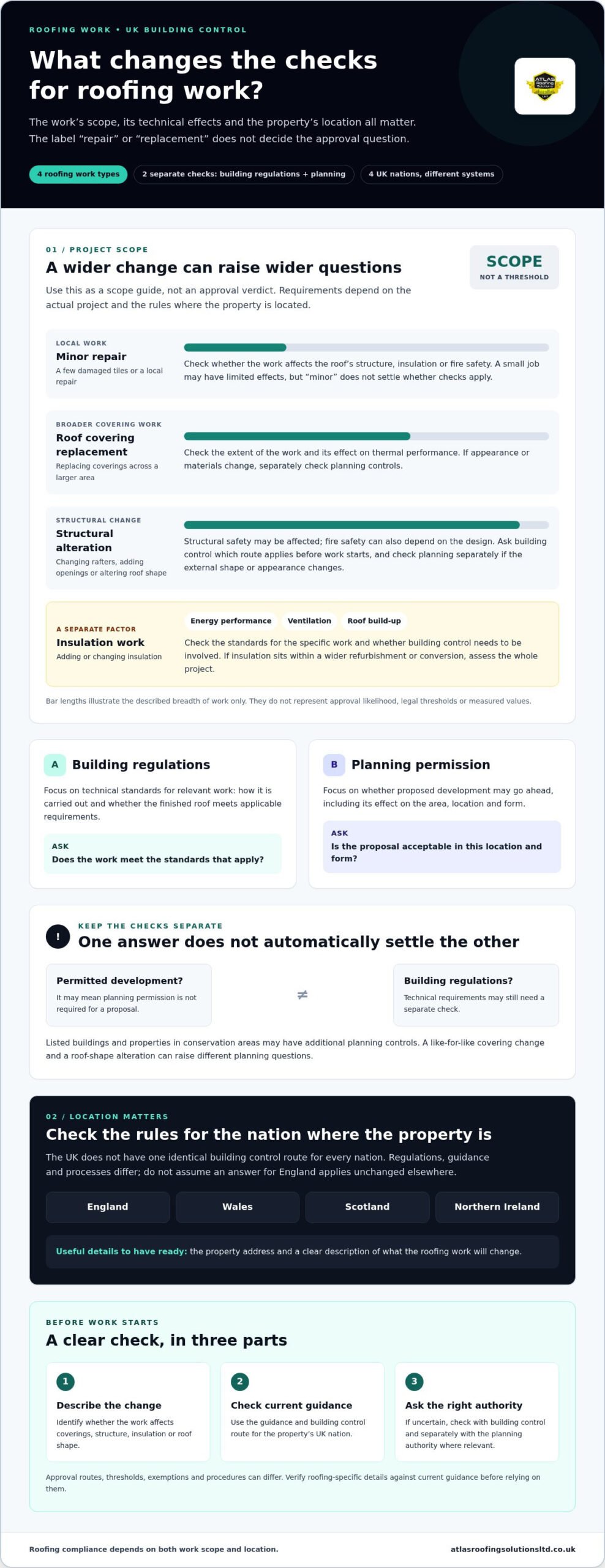
Planning permission is a separate check. It concerns whether a proposed development may go ahead, taking account of matters such as its effect on the area. Building regulations focus on the standard and safety of the work itself. A roof project may need to satisfy one system, both or neither, so permission under one does not automatically resolve the other.
Building regulations versus planning permission for a roof
Keep the two questions separate. Permitted development may mean planning permission isn’t required for a particular proposal, but it doesn’t automatically remove building regulations requirements.
- Purpose: Building regulations set technical standards for relevant work; planning permission controls whether development can proceed.
- Decision-maker: Building control is handled through the applicable building control system. Planning decisions are generally made by the relevant local planning authority.
- Typical question: Building control asks whether the work meets the applicable standards. Planning asks whether the proposed development is acceptable in its location and form.
A like-for-like change to roof coverings and a proposal that alters the roof’s shape can raise different planning questions, even if both involve roofing. Listed buildings and properties in conservation areas may have additional planning controls, so check those separately before assuming permitted development applies. A general overview of the purpose and scope of the rules is available in Building regulations in the United Kingdom.
Which UK rules apply to your property?
The UK does not have one identical building control route for every nation. England, Wales, Scotland and Northern Ireland each have their own regulations, guidance and processes. Don’t assume that an answer for a property in England applies unchanged to a home elsewhere in the UK.
Start with current national guidance for the property’s location, then identify the relevant local building control route. Depending on the nation and project, that may involve a local authority or another recognised route within that system. If planning controls may also apply, check with the relevant planning authority. Have the property address and a clear description of the proposed work ready when making enquiries.
Roofing compliance depends on location and work scope. For building regulations for roofing work UK homeowners are planning, first establish exactly what will change, then check the rules that apply in that nation. This helps avoid confusing planning permission with technical approval and gives you a sound basis for the checks that follow.
When can building regulations apply to roof repairs or replacement?
The type of work matters, as do its scale, technical effects and location. A few slipped tiles may raise different questions from replacing most of a roof, changing its structure or adding insulation. These examples are a starting point, not a decision on whether your particular project needs approval or notification.
For each job, consider what will change and check the current national guidance and building control route. The GOV.UK Building regulations approval guidance explains approval in England, but it isn’t a UK-wide rulebook. Thresholds, exemptions and procedures can differ, so verify any roofing-specific figures against current guidance before relying on them.
How different roofing jobs can raise different checks
Minor repair
Replacing a small number of damaged tiles or making a local repair may have limited effects on the roof as a whole. Check whether the work affects structure, insulation or fire safety, and whether local planning controls apply. Don’t assume the word “minor” settles the approval question.
Roof covering replacement
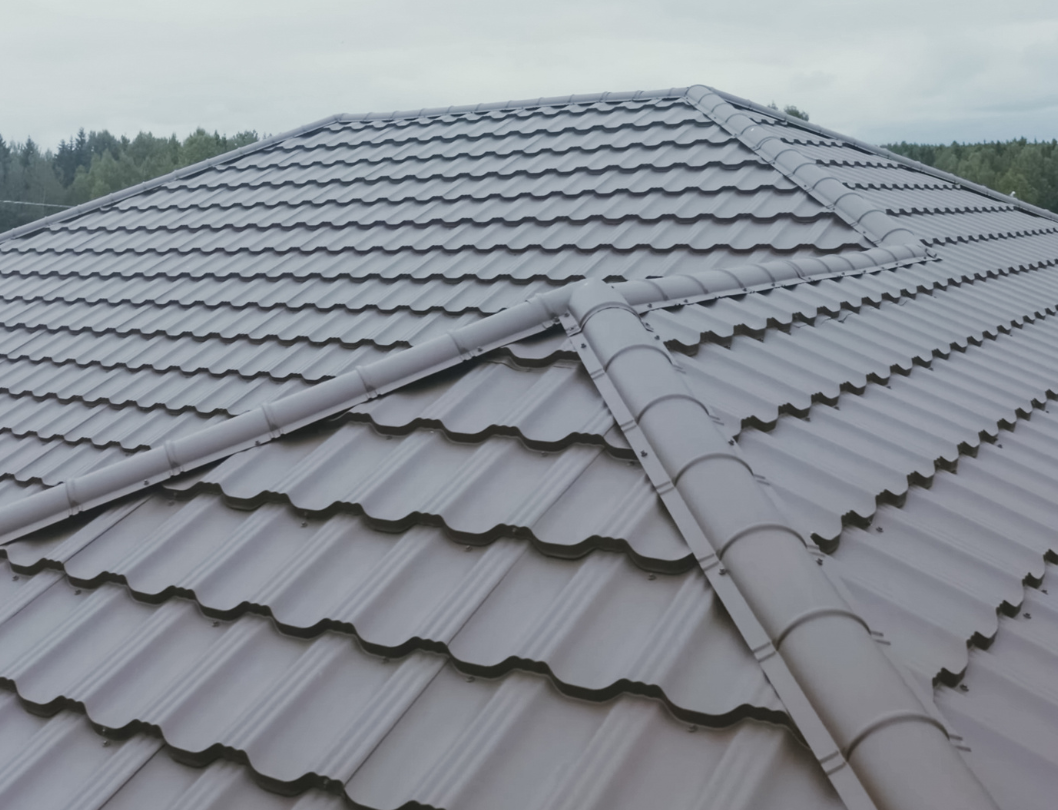
Replacing coverings across a larger area may raise questions about the extent of the work and thermal performance. Confirm whether approval or notification is required under current rules for your nation. Separately check planning controls if the roof’s appearance or materials will change, particularly for a listed building or property in a conservation area.
Structural alteration
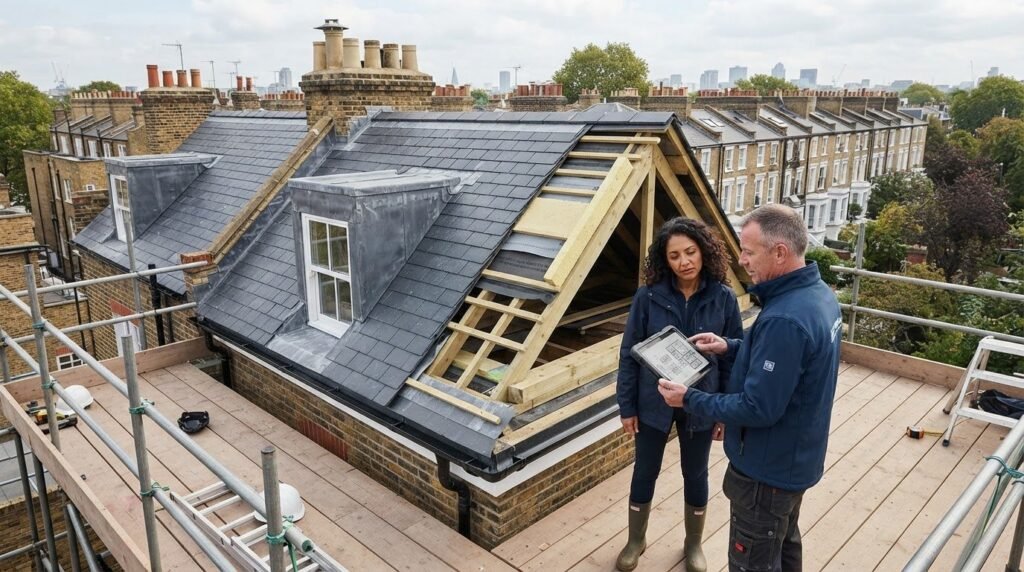
Changing rafters or other structural elements, creating roof openings or altering the roof shape can affect structural safety and, depending on the design, fire safety. Ask building control what route applies before work starts. A change to the external shape or appearance may also need a separate planning check.
Insulation work
Adding or changing insulation can affect energy performance and ventilation, as well as the roof’s build-up. Check the standards that apply to the specific work and whether building control needs to be involved. If insulation is part of a wider refurbishment or conversion, assess the whole project rather than treating it as an isolated upgrade.
Do roof tiles, structural changes or insulation need approval?
There isn’t a reliable answer based only on whether you’re replacing tiles or calling the job a repair. Isolated repairs and extensive replacement differ in scale, but neither label automatically confirms an exemption. The area affected, the materials and the work’s impact on the building can all matter.
Structural changes, new openings, a roof conversion and insulation work are also distinct factors. They may bring different requirements for structure, energy performance, ventilation or fire safety, and not every project follows the same approval route. Don’t rely on a general percentage threshold unless you’ve checked it against current guidance and exceptions for the relevant nation.
To clarify the scope, Atlas Roofing Solutions Ltd can carry out a full roof inspection. This can help identify the proposed work before you make enquiries with building control. For a grounded view of the roof’s condition and likely work scope, arrange a roof inspection.
Common roofing compliance assumptions: what homeowners should check
Roofing compliance can be misunderstood because everyday descriptions don’t always match how the rules assess work. Calling a job a “repair” doesn’t establish whether building regulations apply. The work’s actual scope and effect matter, so describe what will be removed, changed or added rather than relying on a label.
A roofer’s view can help you understand the proposed work, but it doesn’t replace the requirements of the relevant building control body. If approval or notification may be needed, confirm the correct route for your property and nation before work begins. Keep a note of the guidance you relied on and any response you receive.
Is like-for-like roofing work always exempt?
Not necessarily. “Like for like” may describe the visible finish, but the work could still differ in extent, materials or effect on insulation, structure or fire safety. A small repair replacing a few damaged tiles is not the same scope as renewing a large section of roof covering. Neither example has a universal answer: check current guidance and any applicable conditions for your UK nation.
Before reaching a conclusion, write down the area affected, the layers or materials being replaced, and whether the roof’s construction or performance will change. A project that looks unchanged from the street may still involve technical work beneath the covering. A visible repair doesn’t automatically mean a formal application is required either. The details guide the check.
Does building control approval replace planning permission?
No. The two processes answer different questions. Building control considers whether relevant work meets technical standards; planning permission considers whether proposed development is acceptable in its location and form. A roof alteration could therefore need separate checks, for example when structural changes affect building standards and a change to the roof shape or appearance raises planning considerations.
Listed buildings and homes in conservation areas may have additional planning controls. Don’t assume that approval through building control settles those matters, or that permitted development resolves building regulations. Check with the relevant planning authority where restrictions may apply, and with the appropriate building control route for technical requirements.
If required checks or records are missed, the owner may later face questions about whether work complied. Depending on the circumstances and the authority’s assessment, resolving the issue could involve providing evidence or carrying out remedial work. It may also be harder to document the project clearly during a future sale. These outcomes aren’t automatic, but they’re good reasons to keep the scope, correspondence and completion records together.
For building regulations for roofing work UK homeowners should rely on clear information, not assumptions. Check that advice relates to the actual work, the property’s location and the current rules. If any point remains uncertain, seek clarification from the relevant authority before the work proceeds.
How to check building regulations before roofing work starts
A clear process can make compliance easier to manage. The right route depends on the property’s location and the work proposed, so use current official guidance for the relevant UK nation rather than assuming one application process applies everywhere.
- Define the work. Describe what will be repaired, removed, replaced or added. Note the area affected and whether the project changes the roof structure, insulation, openings or external appearance.
- Identify the nation. Confirm whether the property is in England, Wales, Scotland or Northern Ireland. Each has its own regulations, guidance and building control arrangements.
- Check current rules. Read the current national guidance for the type of work, including any conditions, thresholds or exemptions that may apply. Don’t rely on an old example or a rule intended for another part of the UK.
- Contact the relevant control body. If the guidance leaves the approval or notification route unclear, contact the appropriate building control body or local authority route before work starts. Explain the scope and ask what process and documents apply to your project.
- Retain the records. Keep copies of the guidance consulted, enquiries, applications and decisions, plus any inspection or completion documents issued for the work. The documents required, and how they’re issued, can vary by nation and route.
What information should you gather before contacting building control?
Prepare the property address, roof type and a plain description of the work, including how much of the roof is affected and any structural changes. Gather available drawings or plans, material specifications, and details of proposed insulation or new openings. Also note whether the property is listed or in a conservation area, as separate planning controls may need attention. Clear details help the authority understand the proposal and direct you to the right process.
What records should you keep after roofing work?
File relevant applications, decisions, inspection records and completion documents, where applicable, alongside the final description of the work and any specifications. Keep everything together with your property records. This can help you explain what was done during future maintenance or a property transaction, although documents should not be treated as proof of approval unless they relate to the required process.
For the building regulations for roofing work UK homeowners need to consider, organised planning starts with an accurate description of the project. If you’re preparing for a new roof, the professional roof installation guide can help you think through the installation planning. Atlas Roofing Solutions Ltd also offers a full roof inspection and free estimate to help clarify the work being proposed. Arrange a roof inspection as a practical first step.
Plan compliant roofing work with clear advice from Atlas Roofing Solutions Ltd
Before deciding what to do next, get a clear picture of the roof’s condition and the work being proposed. A full roof inspection can help distinguish local repairs from a wider replacement or alteration. A clear scope gives you a more useful starting point for checking which rules may apply and speaking with the relevant building control body.
Atlas Roofing Solutions Ltd offers a free roof inspection and estimate, with transparent pricing and no hidden costs. With 20 years’ experience in roofing and guttering, the company can explain the work in straightforward terms, so you can consider the practical next steps. An estimate or inspection doesn’t itself confirm regulatory approval, certification or compliance. Those requirements depend on the project and the relevant authority.
What to expect from an initial roofing discussion
The discussion starts with understanding what you’ve noticed and what you want the roof to achieve. During a free site visit and full roof inspection, the roof’s condition can be assessed and the proposed work clarified. That may help you describe the project more accurately when checking building control requirements, especially if the work could involve more than a local repair.
You’ll receive honest, project-specific advice and a transparent, no-obligation estimate. The aim is to make the work and its scope clear, not to promise a particular regulatory decision. Any approval or notification question should still be settled through the applicable official route.
Arrange a roof inspection in Atlas Roofing Solutions Ltd’s service areas
Atlas Roofing Solutions Ltd serves homeowners in London, Essex, Surrey, Kent, Hampshire, Berkshire, Greater London, Hertfordshire and Buckinghamshire. If you’re considering roof repairs in the capital, the London roof repairs guide offers relevant information to support your planning.
Whether you’re weighing up a Roof Installation or Roof Repairs, a clear description of the work makes it easier to plan sensibly. Atlas Roofing Solutions Ltd also provides a 15-year guarantee on work. This is a workmanship guarantee, not a building regulations certificate or confirmation of approval, so keep any relevant building control documents separately.
Understanding building regulations for roofing work UK homeowners may need to consider begins with knowing what the project involves. If you’d like a clear view of your roof’s condition and the work that may be needed, request a free estimate and roof inspection.
Take the next step with a clear roofing plan
Before committing to a roofing project, give yourself room to make decisions in the right order. Start with a clear understanding of the roof’s condition and the work you’re considering, then use that information to make any necessary enquiries about the applicable requirements. This puts you in a stronger position to plan the work and keep a useful record of decisions.
Understanding the building regulations for roofing work UK rules that apply to your project doesn’t mean you have to tackle every detail at once. A practical conversation about the roof can help turn a broad concern into a defined next step, whether you’re considering repairs or a new installation.
Atlas Roofing Solutions Ltd is a family-owned London business with 20 years’ experience in roofing and guttering. Its full roof inspection and free estimate can help you understand the proposed work. The estimate is no-obligation, with transparent pricing and no hidden costs. Work is covered by a 15-year guarantee, separate from any building control approval or compliance documents.
Arrange your free roof inspection and no-obligation estimate, and take the next step with confidence.
Frequently Asked Questions
Do I need building regulations approval to replace a roof in the UK?
Not every roof replacement follows the same approval route. The answer depends on the work’s scope, its effect on the building and which UK nation the property is in. Before arranging the job, describe what will be removed and installed, including any changes to the structure or insulation, and check current official guidance. If the route remains unclear, contact the relevant building control body with those project details.
Is planning permission the same as building regulations approval for roofing work?
No, they are separate processes. Planning permission considers whether a proposed development is acceptable, while building regulations approval relates to technical standards for relevant work. For example, altering a roof’s shape could raise planning questions, while changes to its construction may raise building control questions. One decision doesn’t automatically cover the other. Check each route that may apply to your property rather than treating one approval as a substitute.
Can I repair my roof without notifying building control?
Some limited repairs may not require notification, but there isn’t a safe answer based on the word “repair” alone. Replacing a slipped tile may be quite different from work that affects a larger area or changes the roof’s construction. Before work starts, explain the exact repair to the relevant building control body if you’re unsure. Keep a written note of the guidance or response, especially if the proposed scope changes during the job.
Do roof insulation upgrades need building regulations approval?
They can, depending on the insulation work and its context. Adding insulation may affect the roof’s thermal performance, ventilation or the way the roof is built up. For example, insulating a roof space as part of a larger alteration may raise different questions from replacing insulation during other roofing work. Check the current guidance for your nation and prepare details of the proposed insulation, location and construction before seeking advice on the applicable route.
Who is responsible for checking building regulations for roofing work?
The homeowner should make sure the compliance question has a clear answer before work begins, even if a roofer helps with the process. For building regulations for roofing work UK projects, establish which nation’s rules apply and identify who will contact building control or submit any required information. Agree responsibilities in writing, including who will provide relevant records when the work is complete. Don’t treat a verbal assurance as a substitute for the applicable authority’s requirements.
What happens if roofing work does not comply with building regulations?
The outcome depends on the circumstances and the relevant authority’s assessment. You may be asked to provide information about the work or address a compliance issue, which could involve remedial work. Missing records can also make it harder to explain what was done during future maintenance or a property sale. If you’re concerned about completed work, gather any plans, correspondence and paperwork you have, then contact the relevant building control body for guidance on the next step.